Friday, May 3, 2013

Music and Its Relevance Today

Music is everywhere in the world. From the streets, to elevators, even washing machines, music plays an important part to modern culture.

According to businesshighlight.org, music has several roles in everyday life. The most common use for music is as an entertainment tool. Almost everyone has listened to music in a recreational fashion. It can help us relate to one another by shared interest. Music also helps convey a point. For instance, most rap music mentions topics such as fiscal irresponsibility, misogyny, and gay panic. However, music can also influe
nce people's choices. Some people can misinterpret the use of substance abuse in songs as tolerable, which can lead to bad choices. Music can also lead people to discriminate a certain group of people because of the music they like, or because a musician they look up to mention their opinion in song.  Some people think that music like this should be banned. However, I think that nobody deserves to have their voice silenced just because some people don't like what they have to say. Even though music can make people prejudiced, but it can also make people united under a similar cause. For example, a collaborative album was put out to help raise money for Japan after the nuclear reactor meltdown.

Music is also a major career choice for many people. Some careers in music include (according to Berklee College of Music):
Contemporary Writing and Composing
Music Business/Management
Film Scoring
Jazz Composition
Music Education

Music can also be symbolic. For instance, certain songs are played at a church or funeral, whereas others are meant for weddings, parties and celebrations. Good or bad feelings can be associated with any kind of music, however music played at important events such as these more so than others.

I see music as one of the most important aspects of my day. Listening to it in the car, composing songs, and playing instruments take up a lot of my time, but it makes me happy. I take great joy in my ability to play music; it makes me feel more connected to the music I listen to. I can't picture my life without music, though I only started playing a year ago. Since then, I have acquired a guitar, ukulele, violin, accordion, keyboard, and a kazoo. I technically started with violin, though I've had the guitar since year 5. I didn't begin composing until the fall of 2012, when I learned how to play ukulele.   Composing and playing both provide an excellent outlet to relieve stress, and allow me to creatively express myself. To anyone who feels like they can't express themselves, I urge them to try t

Monday, March 11, 2013

Oz: The Little Known Facts

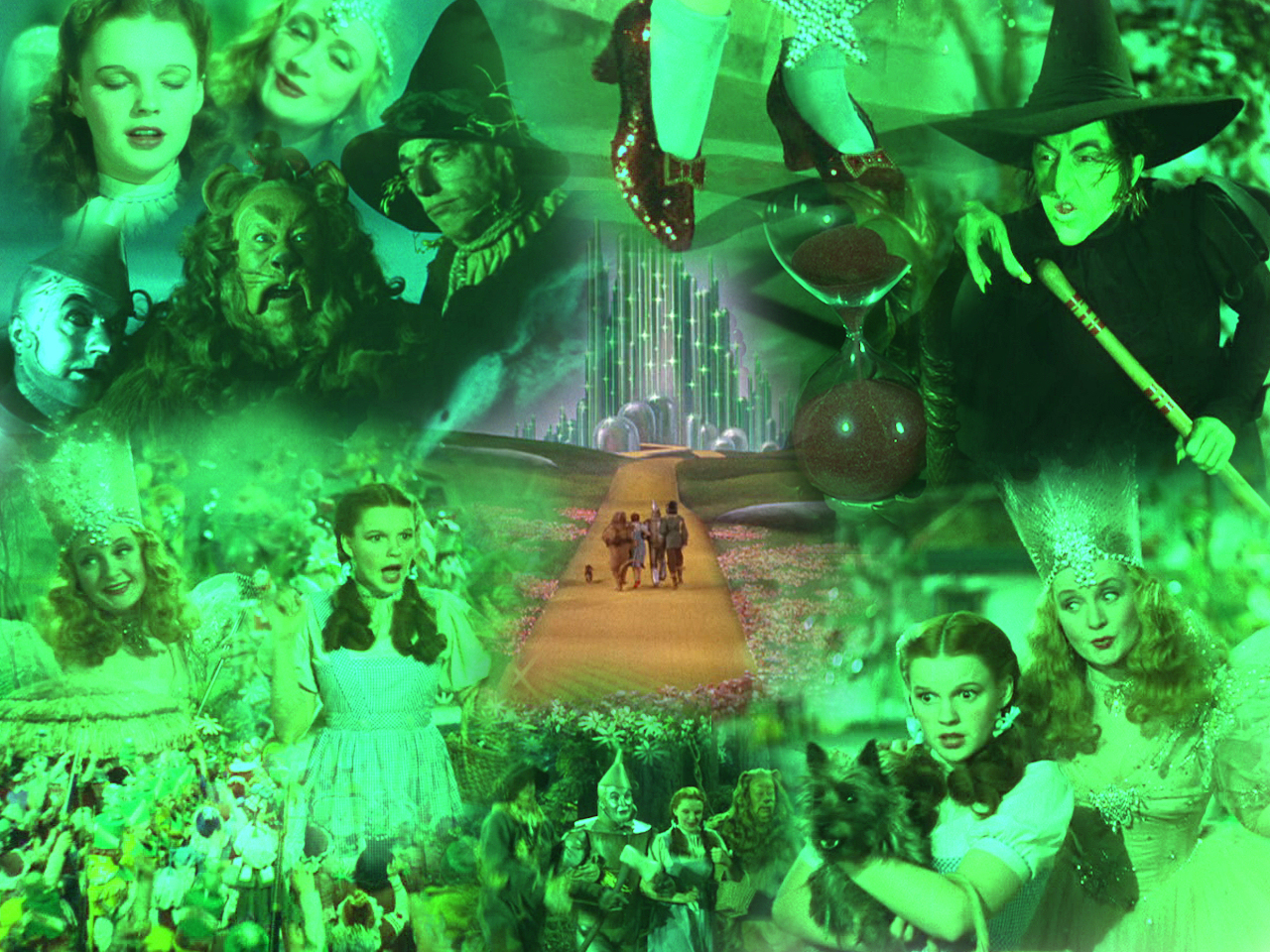
Many people are familiar with the classic 1939 film The Wizard of Oz , starring Judy Garland. However, what a majority of people don't know is that the movie was based on a book written by Frank L. Baum  called The Wonderful Wizard of Oz. In fact, Baum wrote an entire series of books after his fans sent in mail asking for more. The series is mainly focused around Dorothy and her adventures in Oz, however she doesn't appear in every book. In fact, the second book of the series, The Marvelous Land of Oz, doesn't include Dorothy at all. Rather, it introduces new characters to the series, such as Ozma of Oz, and Jack Pumpkinhead.

The series itself features a wide range of characters from all over Oz. A little known fact is that Oz is actually divided into four countries, with the Emerald City in the middle. Each "country" has a specific color and leader who rules under the authority of Princess Ozma. They are:
Munchkin Country- Blue- East- Previously ruled by the Wicked Witch of the East, now ruled by a nameless munchkin king
Winkie Country -Yellow -West- Previously ruled by the Wicked Witch of the West, now governed by the Tin Woodman
Gillikan Country- Purple- North- ruled by the Good Witch of the North
Quadling Country- Red- South- ruled by Glinda (the Good Witch of the North)

Another little known fact is that the ruby slippers were actually silver in the books. Dorothy couldn't return to Oz  at first because she lost them in the Deadly Desert surrounding Oz (but is able to return with the aid of various magical objects and happenings).
One reason why I appreciate the books is that they provide a lot more information than the movie does, as book normally do. I was really intrigued to find out about the history of the flying monkeys, and the history of Oz itself.
The movies left a lot of unanswered questions, which I was interested research, which led to my initial discovery of the original series. However, I widened my search a little more and found some great spin off titles:

 Wicked by Gregory Maguire
This book is tells the story of The Wizard of Oz from the witch's point of view, in addition to adding more background information to the original Oz books.
The Secret Order of the Gumm Street Girls by Elise Primavera
This book is a juvenile fiction, but is still an excellent plot by my standards. Though the story isn't really based on Oz itself, it references the main series many times during story.

I would recommend any Oz book to anyone who doesn't mind wisdom in simplicity. More often than not, people look over important lesson in books simply because they are for children. I completely disagree. Some of the best things I learned were from children's books. So, if you are the kind of person waiting for a heavy dose of nostalgia with a side of insight, I strongly suggest checking these books out.

Tuesday, January 22, 2013

Coincidence

picture 
“It's hard to believe in coincidence, but it's even harder to believe in anything else.” ― John Green, Will Grayson, Will Grayson

Coincidence is such a funny thing. Dictionary.com describes coincidence as "a striking occurrence of two or more events at one time,apparently by mere chance". However, if you were to ask a religious person, they would argue that coincidence is divine intervention. Other people think that there is no such thing as coincidence. 

Some people think coincidence is more of a science, because of statistical data in which the concept can be explained. However according to Guy Lown, author of The Philosophy of Coincidence, coincidence is comprised of patterns, and the human desire to be in control. He argues that science cannot accurately measure coincidence because science is driven by it. "But does this lack of scientific proof mean that coincidences cannot be meaningful? (Lown)
One of the most important question brought to attention by the article was "Why do we need to explain why coincidences occur? (Lown)" One of the things about coincidences is that they are (for the most part) unrepeatable. But, one of the things that  make coincidences interesting is that something unexpected happens. For instance, if one were selling a car and hoped "I sure wish someone in need could use this car", then someone with a need for a car called, one would say "what a coincidence". Some would argue that coincidences don't exist at all, and rather the "universe" is willing said thing to happen, or that it is destiny, and couldn't be changed. As for me, I think that everything happens for a reason, yet it is a nice surprise when something amazingly unexpected happens. I don't think it's necessarily fated to occur, as I believe we are defined by our choices as that happen. In my opinion, it is important to note said coincidences as they occur, but not to read into them too much. If one looks for coincidences all the time, they lose their magic.
*I leave you with one last dose of  hilarity*